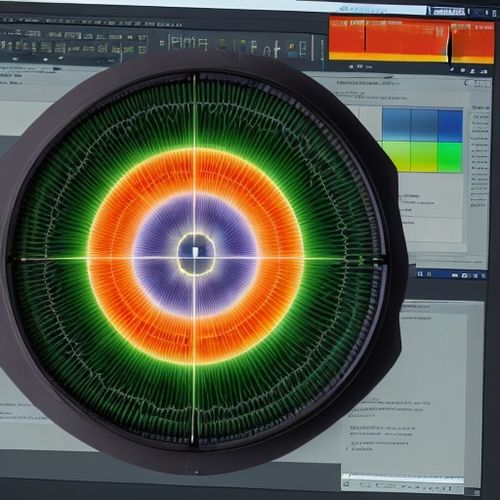
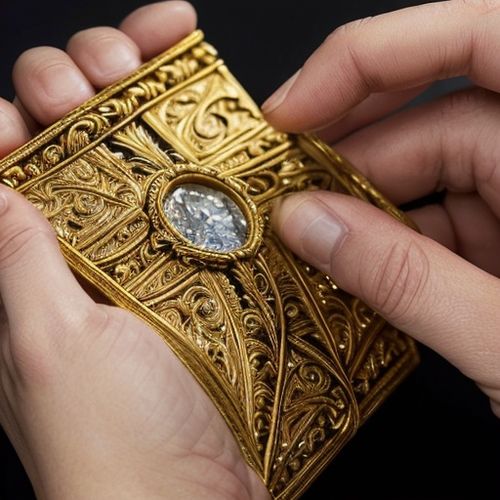
The distribution of edge pressure in gemstone settings, particularly in bezel settings, is a critical factor that influences both the structural integrity of the jewelry piece and the long-term security of the gemstone. Unlike prong settings, which rely on discrete points of contact, bezel settings encircle the gemstone with a continuous metal rim. This design inherently distributes pressure more evenly around the stone's perimeter, but the specifics of this distribution depend on several variables, including the metal's properties, the stone's shape, and the craftsmanship of the setting.
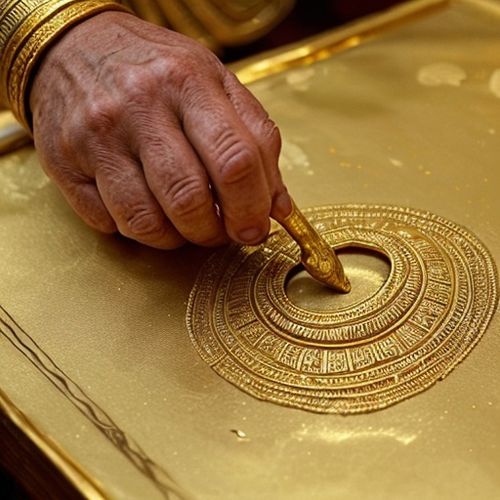
When a bezel setting is crafted, the metal rim is carefully pushed over the edges of the gemstone to hold it in place. The pressure exerted by the metal must be sufficient to secure the stone without causing undue stress that could lead to cracking or chipping. This balance is particularly important for softer gemstones, such as opals or emeralds, which are more susceptible to damage from excessive pressure. The uniformity of the pressure distribution is also influenced by the precision of the setting. A well-executed bezel will apply consistent pressure around the entire circumference, while a poorly executed one may create uneven stress points.
The role of metal choice in edge pressure distribution cannot be overstated. Different metals exhibit varying degrees of malleability and hardness, which directly affect how pressure is applied and maintained over time. For instance, gold alloys, which are relatively soft, may deform slightly under stress, leading to a gradual redistribution of pressure. In contrast, platinum, being harder, maintains its shape better but requires more precise initial setting to avoid localized high-pressure areas. The thickness of the bezel wall also plays a role; a thicker wall can exert more force but may lack the flexibility needed to accommodate minor shifts in the stone's position.
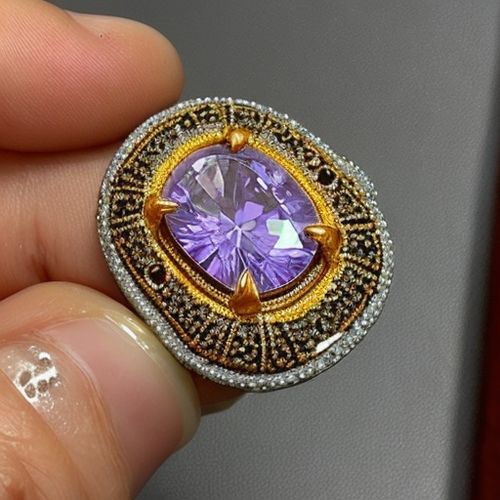
Another factor influencing pressure distribution is the shape of the gemstone. Round stones are the easiest to set in a bezel because their symmetrical shape allows for uniform pressure application. Oval, square, or irregularly shaped stones present greater challenges, as the pressure must be carefully adjusted to account for variations in the stone's geometry. For example, the corners of a square-cut stone are more prone to pressure concentration, which can lead to cracking if not properly mitigated. Skilled jewelers often use techniques such as undercutting or adding small notches to the bezel to alleviate these stress points.
Environmental factors and wear over time further complicate the picture. Temperature fluctuations, mechanical shocks, and even routine cleaning can affect the metal's behavior and, consequently, the pressure distribution. Over time, the metal may work-harden or develop micro-fractures, altering its ability to maintain consistent pressure. Regular inspections and maintenance are essential to ensure that the bezel continues to function as intended. In some cases, re-tipping or re-shaping the bezel may be necessary to restore optimal pressure distribution.
The interaction between the gemstone and the bezel is also influenced by the stone's hardness and brittleness. Harder stones like diamonds can withstand higher localized pressures, but brittle stones like tanzanite require a more delicate approach. The bezel must be designed to cradle the stone securely without creating sharp pressure gradients that could initiate cracks. This often involves subtle adjustments to the bezel's inner contour, ensuring that the contact surface is as large and even as possible.
Modern advancements in jewelry design and manufacturing have introduced new techniques to optimize edge pressure distribution in bezel settings. Computer-aided design (CAD) allows for precise modeling of pressure points before the physical setting is created. Laser welding and other high-precision fabrication methods enable jewelers to achieve tighter tolerances, reducing the risk of uneven pressure. These technologies are particularly valuable for custom or high-value pieces where the margin for error is minimal.
Ultimately, the goal of any bezel setting is to combine aesthetic appeal with functional reliability. A well-designed bezel not only enhances the beauty of the gemstone but also ensures its safety for years to come. Understanding the nuances of edge pressure distribution is essential for achieving this balance, whether you're a jeweler crafting the piece or a wearer seeking to preserve its integrity. As with many aspects of fine jewelry, the devil is in the details—and in the case of bezel settings, those details are often measured in microns and milligrams of pressure.
By Megan Clark/Apr 28, 2025
By Daniel Scott/Apr 28, 2025

By Christopher Harris/Apr 28, 2025
By Daniel Scott/Apr 28, 2025
By Megan Clark/Apr 28, 2025
By Grace Cox/Apr 28, 2025
By James Moore/Apr 28, 2025

By Rebecca Stewart/Apr 28, 2025

By Jessica Lee/Apr 28, 2025
By Laura Wilson/Apr 28, 2025
By Emily Johnson/Apr 28, 2025
By John Smith/Apr 28, 2025
By Thomas Roberts/Apr 28, 2025
By Emma Thompson/Apr 28, 2025
By John Smith/Apr 28, 2025

By David Anderson/Apr 28, 2025
By Olivia Reed/Apr 28, 2025
By Christopher Harris/Apr 28, 2025
By Emily Johnson/Apr 28, 2025
By Grace Cox/Apr 28, 2025